
As recently reported in The Telegraph, Helen Wakeham (Director of Water at the Environment Agency and Chair of the National Drought Group) has warned:
“The hot and dry weather means we are currently using water faster than nature can replenish it. A second consecutive summer drought is an exceptionally serious situation and one that will have long-lasting impacts on our environment, wildlife, and the economy. We want everyone to stay safe and hydrated during the hot weather, but every drop we can save is a drop more for nature and agriculture.”
This situation is perhaps unsurprising following several recent “record-breaking” heatwaves. However, it also raises a broader question: are these isolated events, or are they signs of a changing climate that could make drought conditions more common in the future?
The Environment Agency has said “that several areas of central, eastern and southern England are now experiencing drought conditions following prolonged periods of little or no rainfall, combined with exceptionally high temperatures”.
If droughts become more frequent, what could this mean for our wildlife, economy and environment in the years ahead.
Wildlife
According to The Rivers Trust, low rainfall can reduce river levels and increase the concentration of pollutants in the water.
Lower water levels can also lead to depleted oxygen levels, placing fish and other wildlife under considerable stress. These conditions may increase the risk of disease spreading among already vulnerable animal populations.
Economy
Low rainfall can have a serious effect on farming and the wider agricultural food supply.
Reduced crop yields and increased operating costs can affect farmers’ incomes and contribute to higher food prices for consumers. As droughts become more frequent, these pressures may increase, creating longer-term challenges for food security, rural communities and the wider economy.
Drought can also place pressure on transport and other infrastructure. Dry ground may shrink and subside, potentially damaging roads, railway lines, buildings and underground pipes. The widespread disruption seen during the July 2022 heatwave, when roads softened and railway lines buckled under extreme temperatures, highlights the challenges that may become more common if such weather events increase in frequency.
Environment
Long periods of little or no rain can leave forests, grasslands and open spaces dangerously dry, increasing the risk of wildfires.
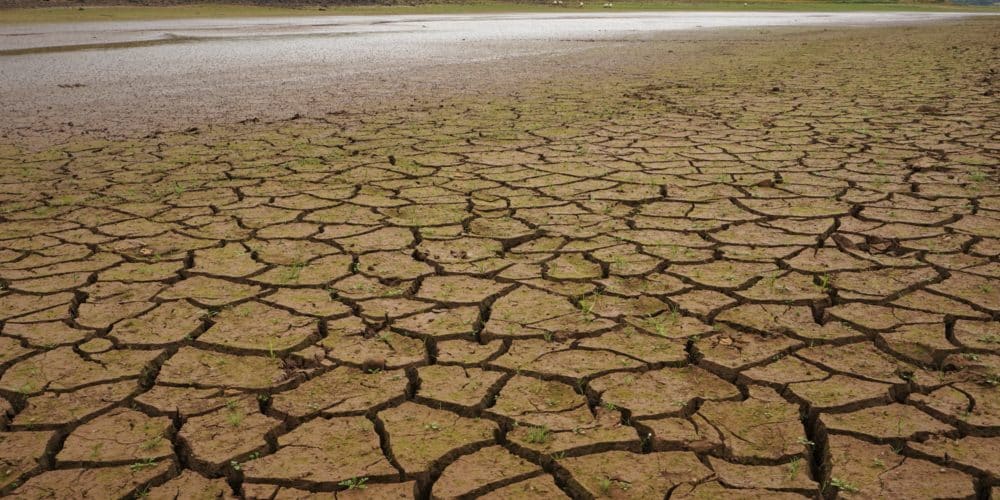
Drought can also cause rivers and reservoirs to fall to unusually low levels, while dry soil may shrink, crack and become less able to absorb water when rain eventually returns.
Interestingly, many of these risks are the complete opposite of those caused by flooding— another extreme weather event that has affected the UK repeatedly in recent years. As weather patterns become increasingly unpredictable, communities may face the challenge of preparing for both extremes.
The wider concern is whether the conditions we are seeing today are indicative of a longer-term trend. Is the UK becoming increasingly vulnerable to both extremes: too little water during prolonged dry periods, followed by intense rainfall over a short space of time? If so, the impact on homes, infrastructure and the wider environment could become increasingly significant.
What does this mean when purchasing a property in an era of changing weather patterns?
When you find the house of your dreams, it is important to look beyond its appearance and consider how flooding, drought and climate change could affect the property in the future.
Your Conveyancer can advise which searches are appropriate. These may include detailed environmental, flood-risk and ground-stability searches, including information about historical flooding and projected climate-related risks.
An environmental search identifies potential risks associated with the location, while an appropriate building survey can assess the property for visible signs of existing damage or structural movement.
These findings could affect the availability and cost of buildings insurance, the excess you may have to pay, your mortgage and the property’s future resale value.
This does not necessarily mean avoiding every property in an area of increased risk. It means understanding the potential consequences and costs before making a legally binding commitment.
While no single weather event can provide all the answers, the growing frequency of droughts, heatwaves and flooding raises an important question: are these exceptional events, or are they signs of what we can expect to see more regularly in the years ahead? For homebuyers, understanding how climate-related risks may affect a property is becoming an increasingly important part of making an informed decision.
Samantha Ingram
Director Solicitor – National Head of Conveyancing
Davisons Law
Tags: climate change, drought